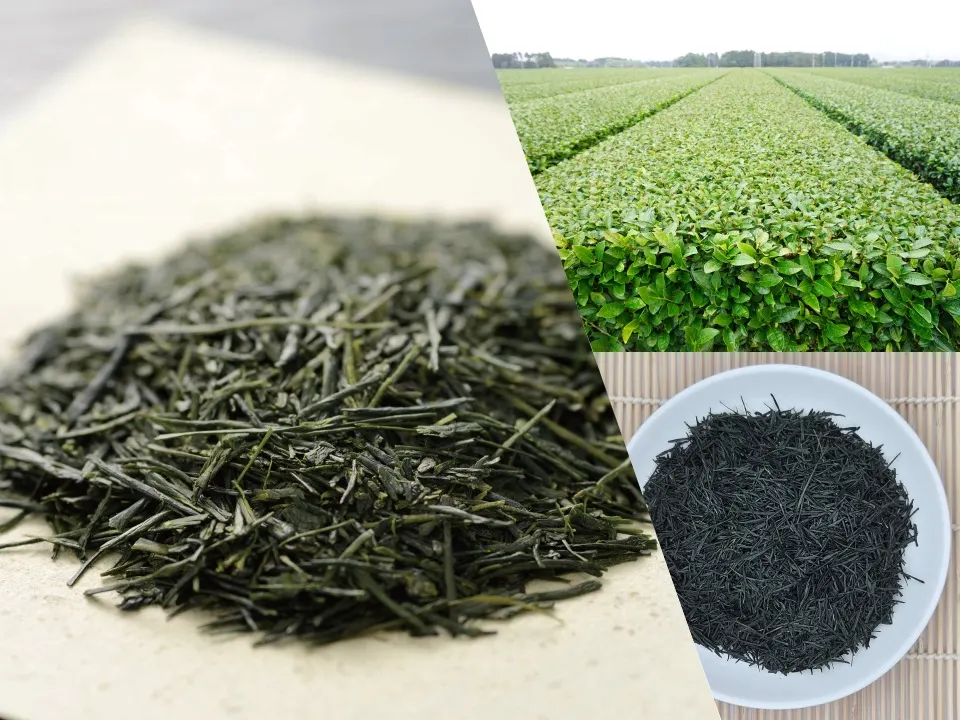
A nationwide GI covering green tea (crude and finished tea) made from leaves grown in Japan and processed in Japan. It is known for its mellow taste, refreshing astringency, rich aroma, and clear, attractive color. It shaped the tea ceremony, is an everyday drink that pairs well with Japanese food and sweets, and is popular overseas as well.
- Production area
- Japan
- Season
- Year-round
- Registered
- July 10, 2026(Reg. No. 179)
- Registered producer group
- Japan Tea Central Public Interest Incorporated Association (opens in a new tab)
- Category (as registered)
- 第5類 農産加工品類
Seasonal calendar
It is available year-round, with the first flush (shincha) coming out in April and May.
Timing shifts with the weather and conditions in each region.
Official registration details (MAFF)
The registered description as published by the Ministry of Agriculture, Forestry and Fisheries.
Characteristics
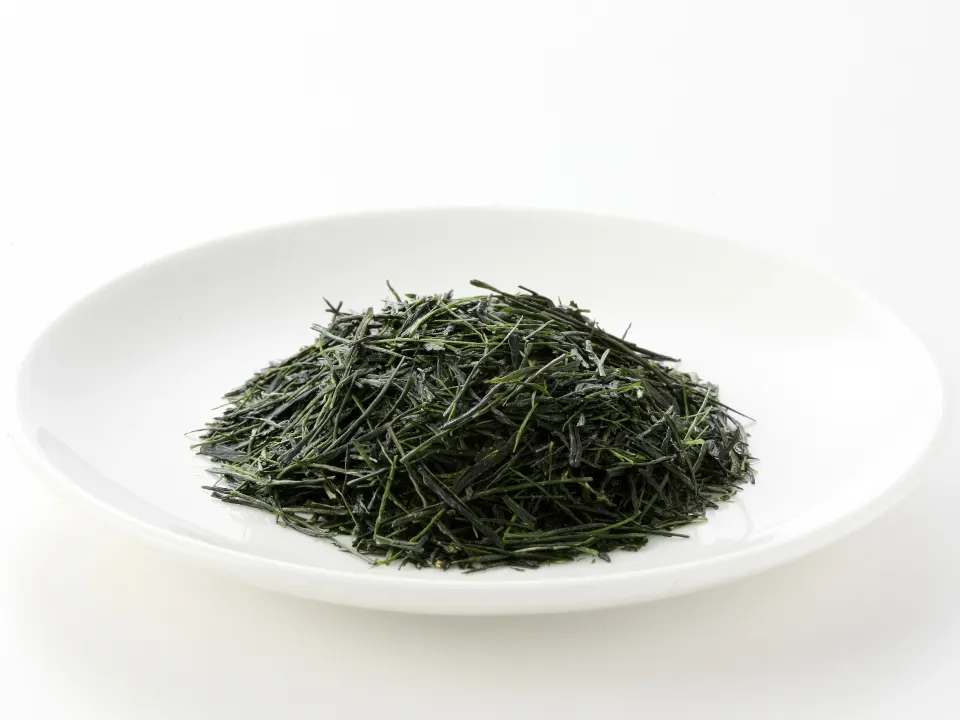
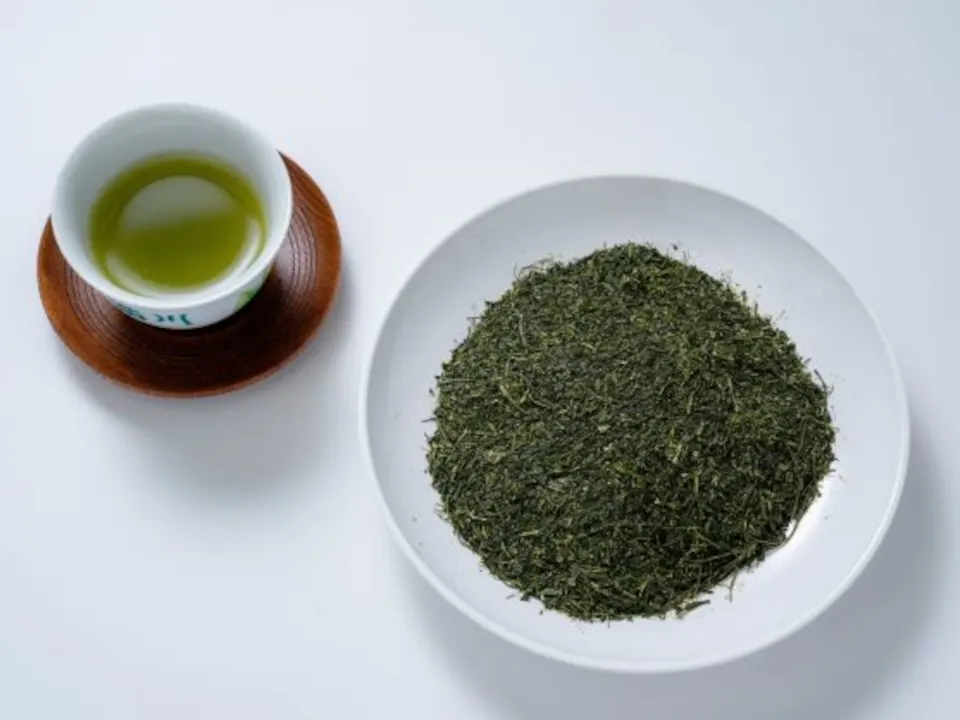
Japanese Tea is tea made from tea leaves grown in Japan and processed in Japan. Its mellow taste, refreshing astringency, rich aroma, and clear, attractive liquor color are highly regarded by consumers. It contributed to the establishment of the tea ceremony. Because it pairs well with washoku, wagashi, and other foods, drinking it has also become firmly established as an everyday custom. It is popular not only in Japan but also overseas.
Link with the production area
The principal production areas for the tea leaves have natural conditions, including average temperatures and precipitation levels, that are suitable for cultivating tea plants, making harvests possible from ichibancha, the first harvest, through autumn and winter bancha. Managed cultivation in tea gardens was practiced during the Kamakura period. Tea ceremony culture was established during the Muromachi and Azuchi-Momoyama periods, and methods for producing sencha were developed during the Edo period, when tea-drinking customs became widespread. During the Meiji period, mechanical tea-processing technology was established to replace hand rolling, enabling the production of high-quality Japanese Tea. High-quality Japanese Tea helped drive Japan’s export industry, and Japanese tea culture was introduced to the world.
Characteristics and link with the area: Ministry of Agriculture, Forestry and Fisheries website (https://www.maff.go.jp/e/policies/intel/gi_act/register/s179.html)
Where to buy
As a rule, only products that meet the registered standard may use a GI name (with exceptions such as prior use). Check for the GI mark and the place of origin to tell it apart from ordinary products with similar names.
These links go to Japanese-language shops; check whether they ship overseas.
Some shop links on this page are affiliate links; we may earn a commission at no extra cost to you.
FAQ
A nationwide GI covering green tea (crude and finished tea) made from leaves grown in Japan and processed in Japan. It is known for its mellow taste, refreshing astringency, rich aroma, and clear, attractive color. It shaped the tea ceremony, is an everyday drink that pairs well with Japanese food and sweets, and is popular overseas as well.
Japanese Tea is produced in Japan.
Japanese Tea is shipped all year round. It is available year-round, with the first flush (shincha) coming out in April and May.
Look for it via furusato nozei (hometown tax donation) and online shops. Check the GI mark and the place of origin before you buy.
Japanese Tea was registered as a Geographical Indication on July 10, 2026 (Registration No. 179). The registered producer group is Japan Tea Central Public Interest Incorporated Association.
More Tea GIs
Official information
- MAFF registration page (Japanese) (opens in a new tab)
- MAFF product summary (English) (opens in a new tab)
- Registered product panel (PDF) (opens in a new tab)
This page is produced by Matatabi Inc. It is not created or endorsed by the Ministry of Agriculture, Forestry and Fisheries.