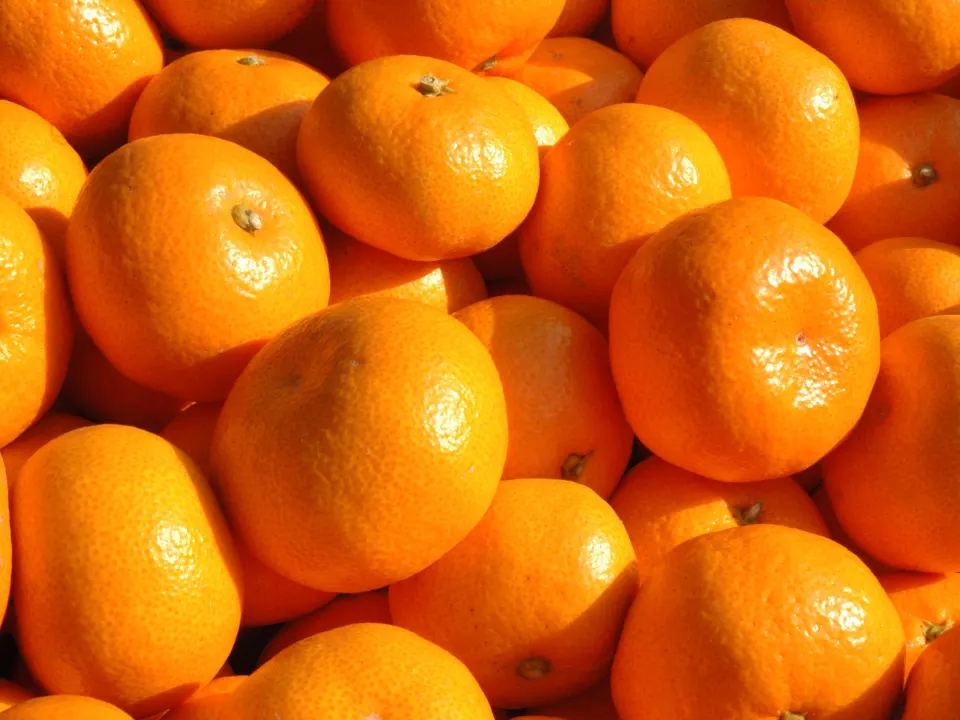
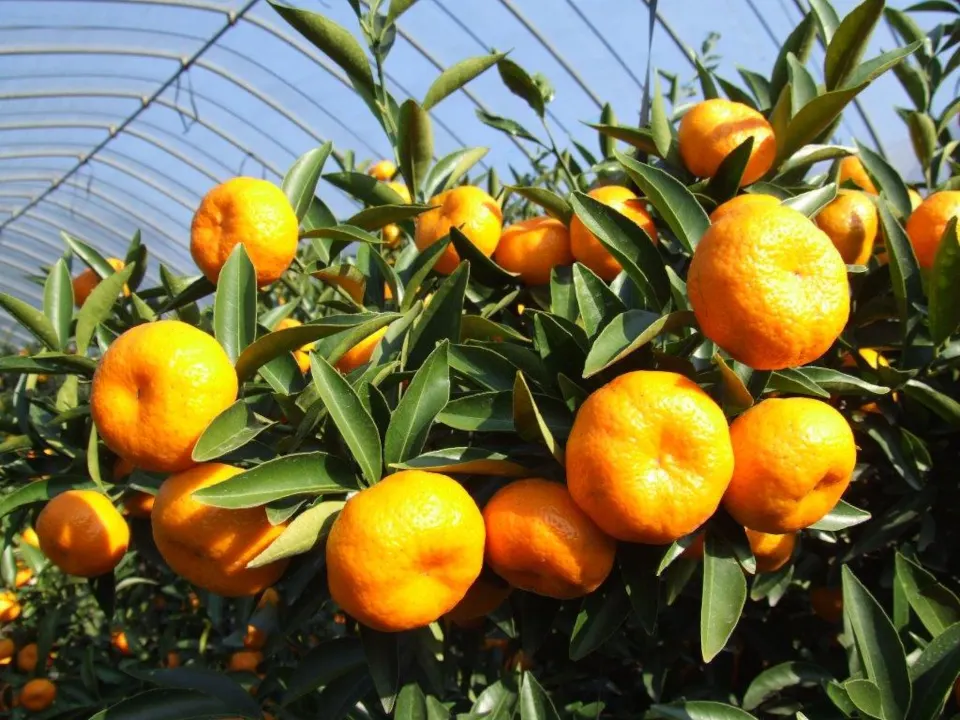
Jutaro satsuma mandarins grown in Nishiura and neighboring areas of Numazu City, Shizuoka. Slightly smaller than Aoshima mandarins with thinner skin, they have a rich flavor with both high sugar and high acidity. Thanks to local storage techniques, they are shipped in early spring.
- Prefectures
- Shizuoka
- Production area
- Shizuura, Uchiura and Nishiura in the San'ura District, Numazu City, Shizuoka Prefecture
- Season
- Feb–Mar
- Registered
- November 18, 2020(Reg. No. 103)
- Registered producer group
- Fuji-Izu Japan Agricultural Cooperatives (opens in a new tab)
- Category (as registered)
- 第1類 農産物類 果実類(うんしゅうみかん)
Seasonal calendar
Harvested in December and January and then stored, it is shipped mainly in February and March.
Timing shifts with the weather and conditions in each region.
Official registration details (MAFF)
The registered description as published by the Ministry of Agriculture, Forestry and Fisheries.
Characteristics
Nishiura Mikan Jutaro has superior Brix (sweetness)-acid (citric acid) ratios compared to common types of mikan. Fruit sizes are slightly smaller than Aoshima Unshu varieties, and the peel is comparatively thin and less prone to looseness. Brix and acidity are higher than Aoshima Unshu, making it more rich-tasting.
Link with the production area
Local conditions are ideal for growing Jutaro Unshu, a variety with low tree vigor. The area faces the Pacific, and the mostly north-facing slope with a view of Mt. Fuji beyond Suruga Bay is composed of fertile volcanic ash soils with good air circulation and drainage. Local knowhow for storing harvested mikan, developed through a long tradition of producing chozo mikan (literally "stored mikan"), also contributes to the excellent quality of this product.
Characteristics and link with the area: Ministry of Agriculture, Forestry and Fisheries website (https://www.maff.go.jp/e/policies/intel/gi_act/register/s103.html)
Where to buy
As a rule, only products that meet the registered standard may use a GI name (with exceptions such as prior use). Check for the GI mark and the place of origin to tell it apart from ordinary products with similar names.
These links go to Japanese-language shops; check whether they ship overseas.
Some shop links on this page are affiliate links; we may earn a commission at no extra cost to you.
Since "Jutaro mikan" is also a variety name, check that the label shows Numazu City as the origin.
FAQ
Jutaro satsuma mandarins grown in Nishiura and neighboring areas of Numazu City, Shizuoka. Slightly smaller than Aoshima mandarins with thinner skin, they have a rich flavor with both high sugar and high acidity. Thanks to local storage techniques, they are shipped in early spring.
Nishiura Mikan Jutaro is produced in Shizuura, Uchiura and Nishiura in the San'ura District, Numazu City, Shizuoka Prefecture.
Nishiura Mikan Jutaro is in season (harvested or shipped) in Feb–Mar. Harvested in December and January and then stored, it is shipped mainly in February and March.
Look for it via furusato nozei (hometown tax donation). Check the GI mark and the place of origin before you buy.
Nishiura Mikan Jutaro was registered as a Geographical Indication on November 18, 2020 (Registration No. 103). The registered producer group is Fuji-Izu Japan Agricultural Cooperatives.
More GIs from Shizuoka
More Fruit GIs
More from Shizuoka
Discover the protected animals, festivals, paintings and sights of the same region.
Meiga no Furusato
Paintings linked to Shizuoka
- Thirty-six Views of Mount Fuji: Fine Wind, Clear Morning (Red Fuji)
- Thirty-six Views of Mount Fuji: Thunderstorm Beneath the Summit
- Thirty-six Views of Mount Fuji: Mishima Pass in Kai Province
- Thirty-six Views of Mount Fuji: Ejiri in Suruga Province
Sake Tabi
Breweries and distilleries in Shizuoka
- Fuji Takasago Sake Brewery
- Hananomai Brewing
- Kirin Fuji Gotemba Distillery
- Nakaizu Winery Hills (Chateau T.S)
Official information
- MAFF registration page (Japanese) (opens in a new tab)
- MAFF product summary (English) (opens in a new tab)
- Registered product panel (PDF) (opens in a new tab)
This page is produced by Matatabi Inc. It is not created or endorsed by the Ministry of Agriculture, Forestry and Fisheries.